Why Warm Up and Cool Down? With 5-Minute Routines
· 5 min read
The warm-up and cool-down are the parts of a workout most people skip when they’re short on time. They only take a few minutes, though, and they change how the rest of the session feels. Here’s what each one does, and two 5-minute routines you can use straight away.
What a warm-up actually does
A warm-up is a gradual transition from rest to effort. A few minutes of light movement raise your heart rate and breathing, increase blood flow to the muscles you’re about to use, and raise their temperature. Warm muscles tend to contract more efficiently and feel less stiff, which is why the first set after a good warm-up usually feels easier than the same set done cold.
There’s also a skill component. Rehearsing lighter versions of the movements you’re about to train, like bodyweight squats before jump squats or knee push-ups before full ones, gives your body a chance to find good positions before the effort gets hard. That is particularly helpful before explosive work such as jumps, sprints or burpees.
Whether warming up reliably prevents injuries is still debated, and studies don’t all agree. What’s much less disputed is that most people move better, feel better and perform better when they’ve warmed up. For the cost of five minutes, that’s a good trade.
Dynamic movement first, long static stretches later
A common question is whether you should hold stretches before training. The evidence here is mixed. Long static holds, around a minute or more per muscle, done right before exercise may slightly reduce strength or power for a short time in some people. Short holds appear to have little effect either way.
A sensible default is to keep the warm-up dynamic: controlled movements that take your joints through their range, like arm circles, hip circles, lunges with a rotation and inchworms. Save longer static stretches for the cool-down or a separate mobility session, when performance no longer matters.
A 5-minute warm-up for bodyweight training
Do each movement for 30 to 40 seconds, moving straight from one to the next. Start gently and pick up the pace slightly towards the end. You should feel warm and a little out of breath, not tired.
- Jumping jacks, 40 seconds, or step jacks if you prefer to avoid jumping
- Shoulder warm-up, 30 seconds of arm circles forwards then backwards
- Hip circles, 30 seconds, changing direction halfway
- Inchworms, 4 slow reps, walking your hands out to a plank and back
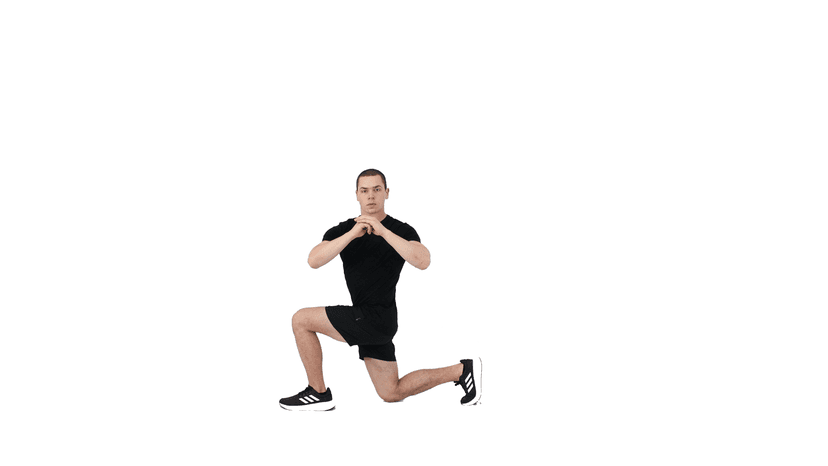
- Lunge with rotation, 3 to 4 per side, turning your chest towards the front knee
- Bodyweight squats, 40 seconds at a controlled tempo
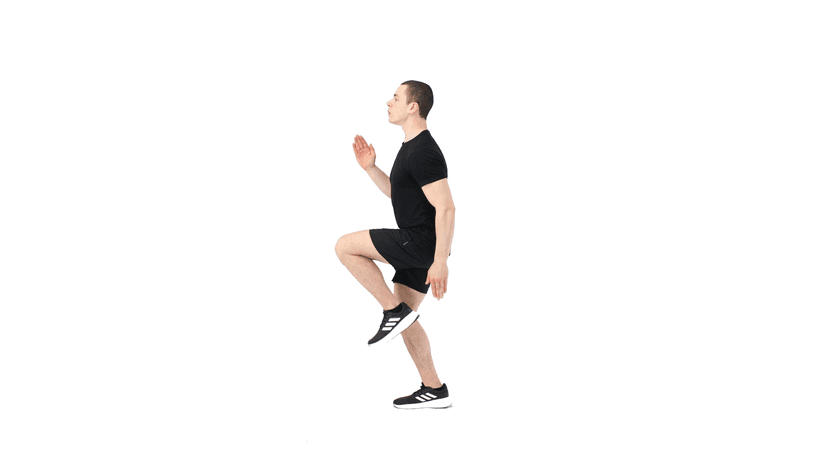
- High knees, 30 seconds, gradually picking up the pace
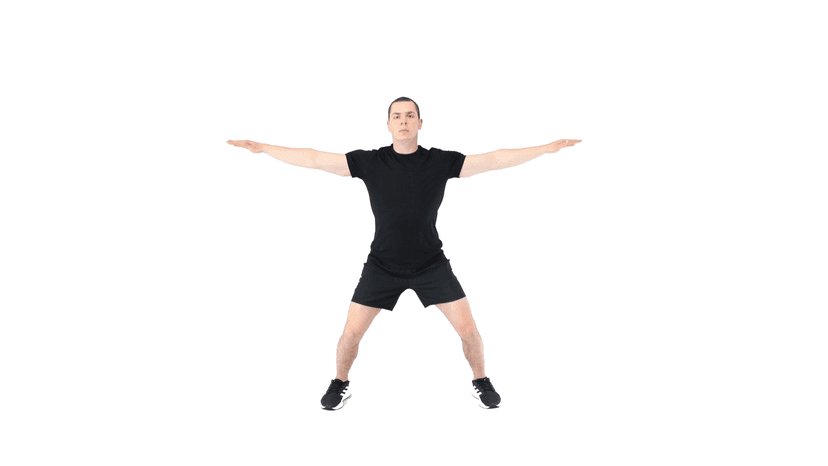
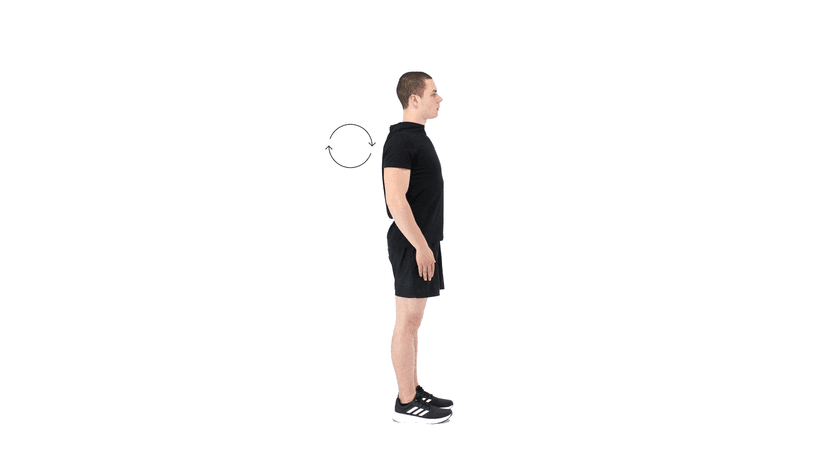
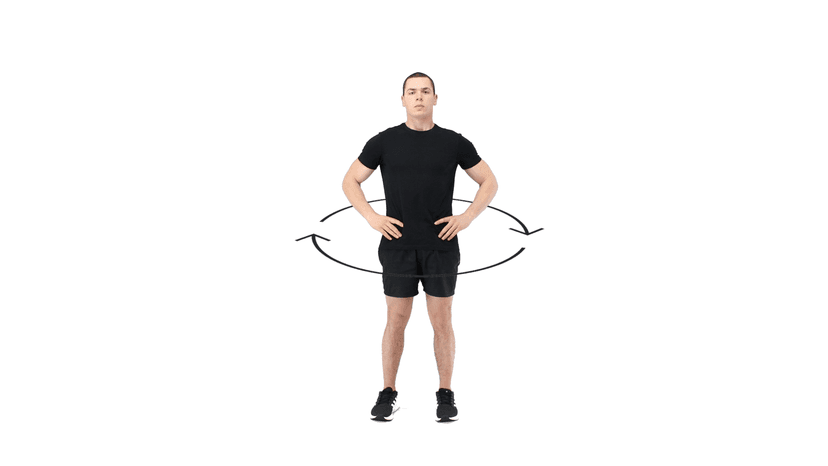
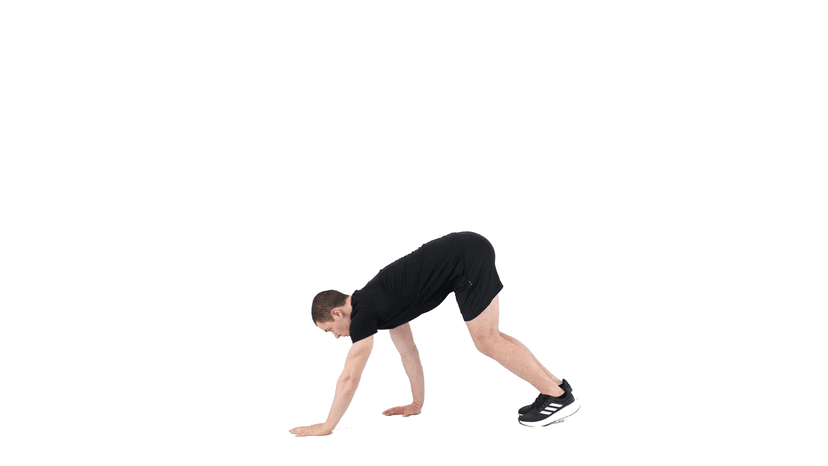
Why cool down after exercise
A cool-down is the reverse transition: bringing your heart rate and breathing back towards normal before you sit down, shower or get back to work. Stopping abruptly after hard intervals can leave some people feeling light-headed, and a few minutes of easy movement helps avoid that.
It’s also a convenient moment for static stretching. Your muscles are warm, you’re no longer about to perform, and a few minutes of calm breathing helps you switch off after the session. Research suggests that cool-down stretching probably does little to prevent next-day soreness, so think of it as time for flexibility and relaxation rather than a recovery shortcut.
A 5-minute cool-down routine
Walk around slowly for 30 to 60 seconds first. Then hold each stretch for about 30 seconds, breathing slowly. Aim for a mild, comfortable tension; stretching should never be painful.
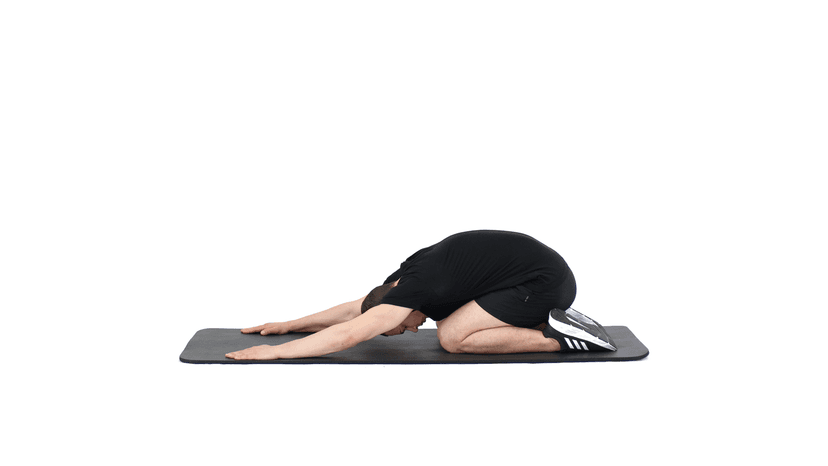
- Child’s pose, arms forward, letting your lower back and shoulders relax
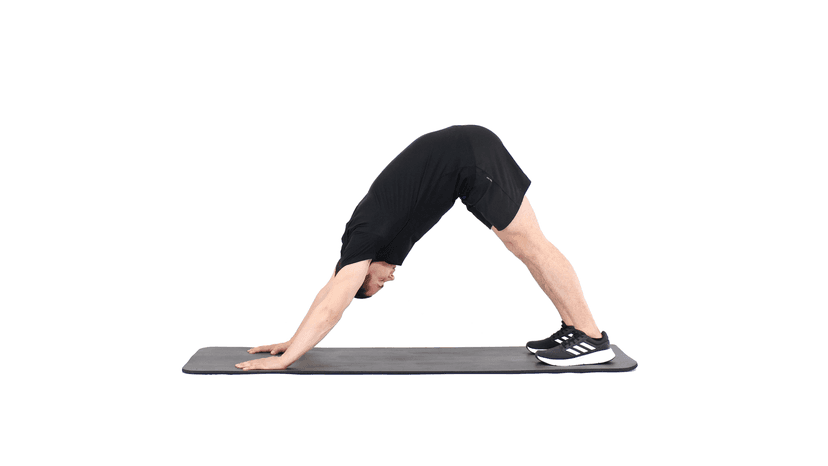
- Downward-facing dog, pedalling your heels gently to stretch the calves and hamstrings
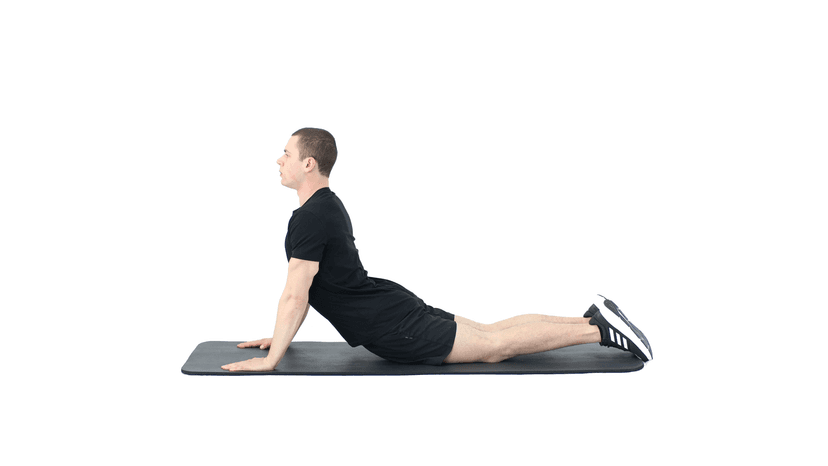
- Cobra, hips on the floor, lifting your chest only as far as feels comfortable
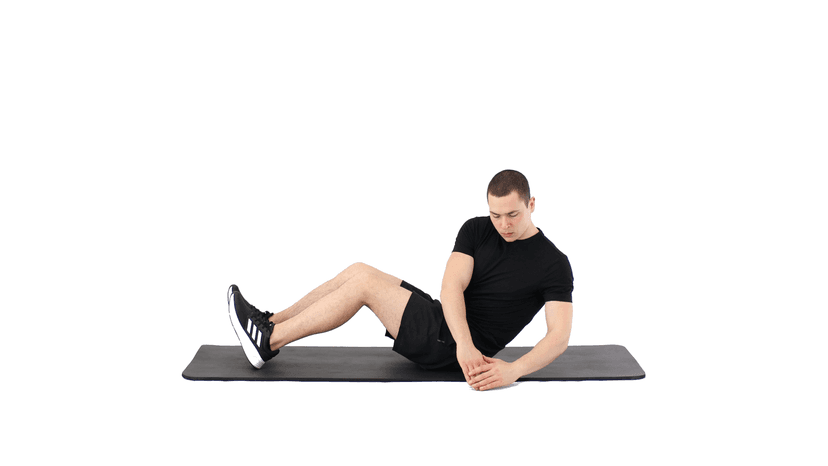
- Lying twists, knees dropping to one side then the other
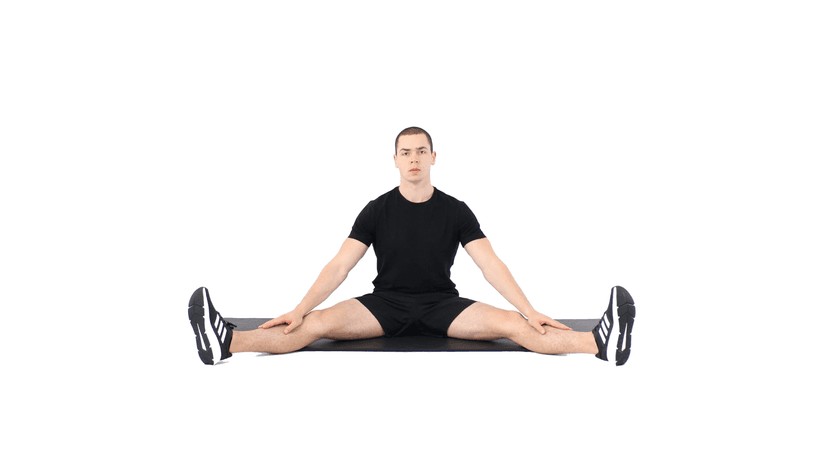
- Pancake stretch, legs wide, folding forward from the hips
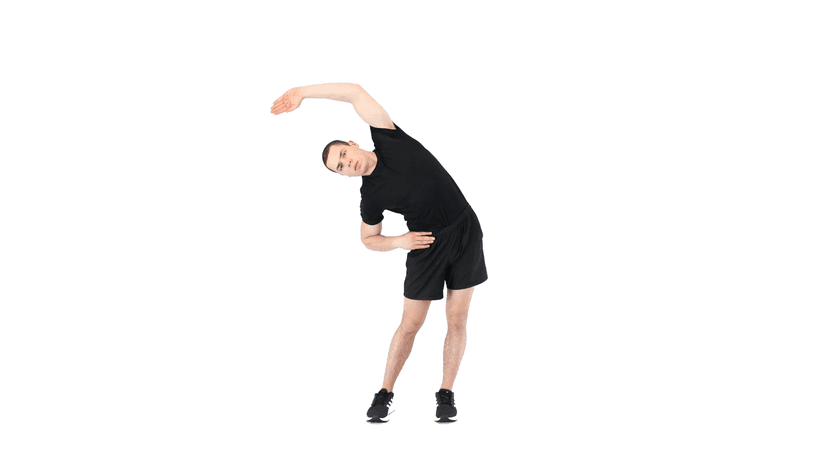
- Side stretch, reaching one arm overhead, then the other
If a stretch causes sharp pain, tingling or pain in a joint, ease off or skip it. With an existing injury or health condition, it’s worth asking a doctor or physiotherapist which stretches are right for you.
Making it a habit
The easiest way to never skip a warm-up or cool-down is to treat them as part of the workout rather than extras around it. If your session is 25 minutes, plan for 25 minutes including both, not 25 minutes of hard work plus whatever time is left over.
That’s how every Fitnopia session is built: a guided warm-up, the main workout and a cool-down, each tracked as its own phase. It matters most on demanding plans like Power Burn, where intervals, jumps and burpees make a proper warm-up genuinely useful.