How Many Push-Ups Should I Do a Day?
· 5 min read
There’s no magic daily number of push-ups that suits everyone. The right amount depends on how many you can do today with good form, and on how you spread them across the week. Here’s how to work out your number and keep raising it.
Start by testing your max
Before choosing a daily target, find out where you stand. After a short warm-up, do as many push-ups as you can with clean form, and stop as soon as your hips sag, your lower back arches or you can’t lower your chest to roughly a fist’s height from the floor. That number is your current max.
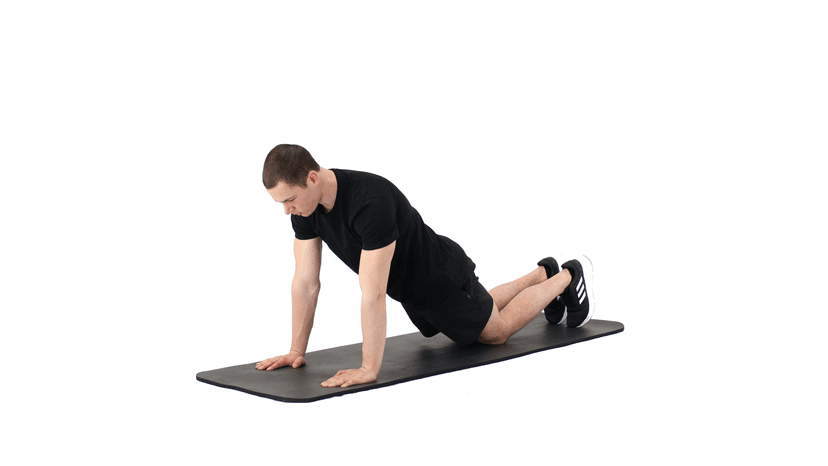
If you can’t do a single full push-up yet, test knee push-ups instead. That’s not a lesser version, just a different starting point. Write the number down along with the date, because you’ll want to retest every few weeks.
How many push-ups to do, based on your level
A practical approach is to train with sets that stop short of failure, roughly half to two-thirds of your max, and do several of them with rest in between. This lets you accumulate far more good-quality reps than one all-out set would, without wrecking your shoulders and elbows.
- Max of 0 full push-ups: 3 to 4 sets of 5 to 8 knee push-ups, and a few slow lowering-only full push-ups at the end.
- Max of 1 to 10: 4 to 5 sets of 3 to 6 push-ups, with knee push-ups to finish if you still have energy.
- Max of 10 to 25: 4 to 5 sets of 6 to 15 push-ups.
- Max of 25 or more: rather than chasing ever-higher reps, move to harder variations and work in the 8 to 15 rep range.
Rest 60 to 90 seconds between sets. If your reps drop sharply from one set to the next, rest longer or lower the target. The goal is that every rep looks like your first one.
Should you really do push-ups every day?
You can, but whether you should depends on how hard those sets are. Doing a few easy, submaximal sets spread through the day, well away from failure, is something many people tolerate well. Training push-ups hard to near failure every single day is a different story: your chest, shoulders and triceps have little time to recover, and nagging elbow or shoulder pain is a common result.
For most people, three to four dedicated push-up sessions a week, with a rest day after the hardest ones, is a more reliable way to get stronger. On the other days, train your legs, back and core, or just go for a walk. If you prefer a daily habit, keep it light and save your harder efforts for two or three days a week.
Form first: what a good push-up looks like
- Hands slightly wider than shoulder-width, fingers spread, wrists under or just in front of the shoulders.
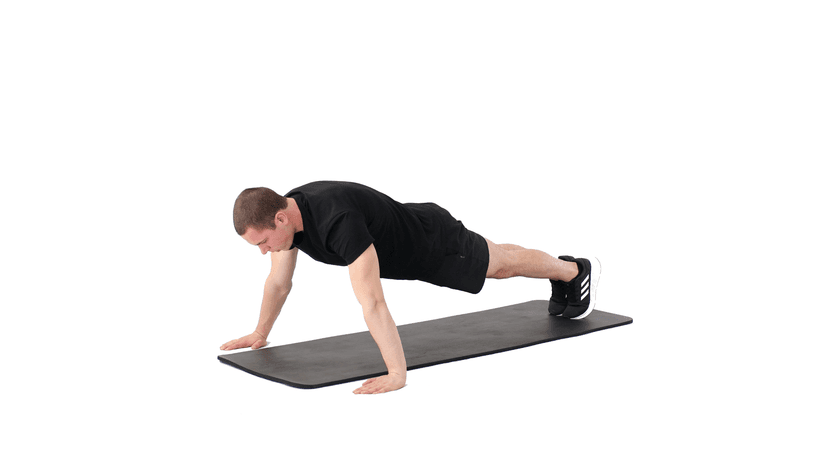
- A straight line from head to heels (or knees). Squeeze your glutes and brace your abs as if you were holding a plank.
- Elbows angled back at roughly 30 to 45 degrees from your body, not flared straight out to the sides.
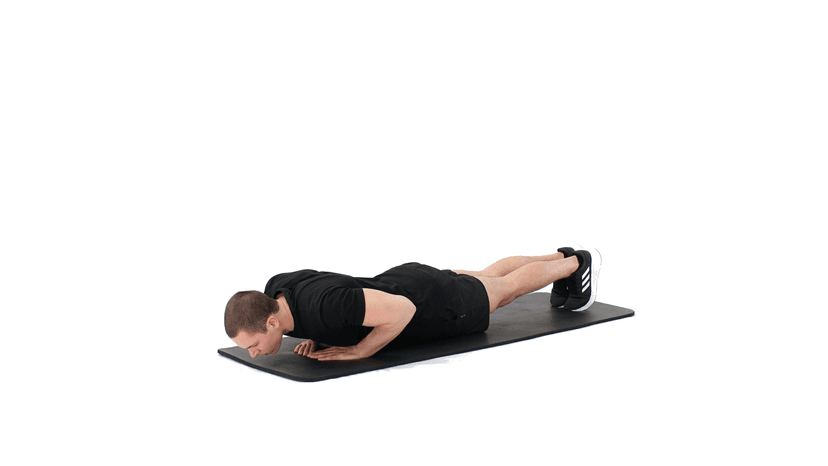
- Lower under control until your chest is close to the floor, then press back up without letting your hips lead.
- Breathe in on the way down, out on the way up. Keep your neck neutral and look slightly ahead of your hands.
If your wrists complain, try turning your hands slightly outwards or doing a few gentle wrist stretches before and after. Any sharp or persistent pain in the shoulder, elbow or wrist is a sign to stop and, if it doesn’t settle, to get it checked by a doctor or physiotherapist.
Push-up progressions, from easiest to hardest
Moving through progressions is more effective than adding endless reps. Once you can do 3 sets of about 12 to 15 reps of one variation with good form, start working on the next one, and keep the previous variation for finishing sets.
- Knee push-ups: the same body line, from the knees. Great for learning the movement and building volume.
- Full push-ups: the standard. Slow the lowering phase to three seconds to make them harder without changing anything else.
- Diamond push-ups: hands close together under the chest, which puts more work on the triceps.
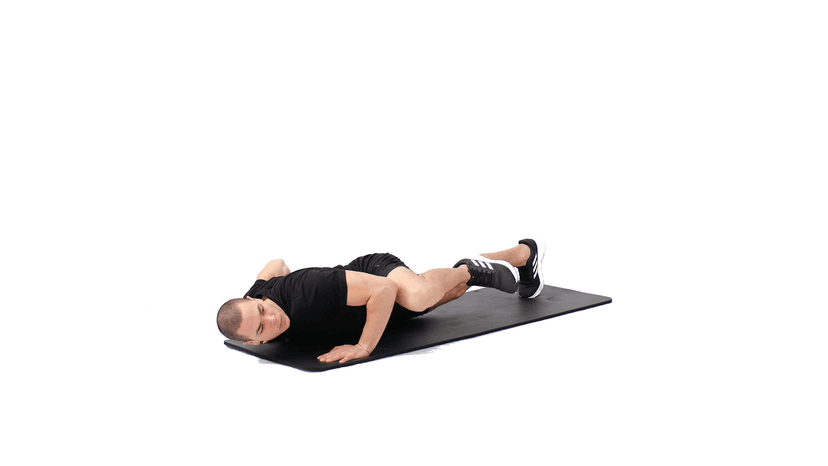
- Spiderman push-ups: bring one knee towards the elbow as you lower, adding a core and hip-mobility challenge.
- Archer push-ups: shift most of your weight onto one arm while the other stays straight, a stepping stone towards one-arm work.
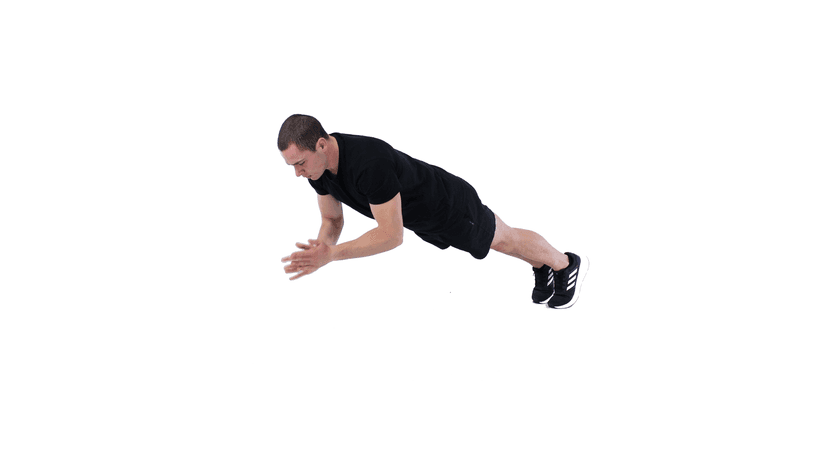
- Clapping push-ups: explosive reps for power. Only add them once your regular push-ups are solid.
Building push-ups into a balanced routine
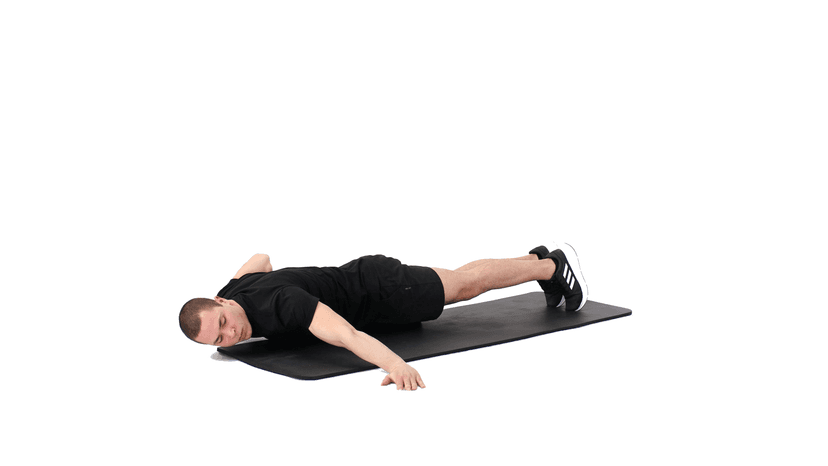
Push-ups are an excellent exercise, but a routine built only around them leaves your back, legs and core behind. Balance pushing with exercises like supermans or reverse flies for the upper back, and squats or lunges for the legs. Your posture and your shoulders will thank you.
If you’d rather follow a structure than plan every set yourself, Fitnopia’s Start Strong plan builds push-ups up from the knee version over 18 full-body sessions, with the rest of your body trained alongside. The app counts every rep, so retesting your max becomes a simple matter of looking back at your history.